

Developing a book cover is an exercise in visual storytelling: how do you take the themes, characters, and emotional world of an entire book and distill them into one compelling image? For this project, I worked through multiple stages of research, conceptual development, composition, and refinement to find an approach that captured the spirit of the story while creating a strong visual entry point for the reader. Here’s a closer look at how the illustration evolved from initial ideas to the final cover.
Moodboard & Ideation
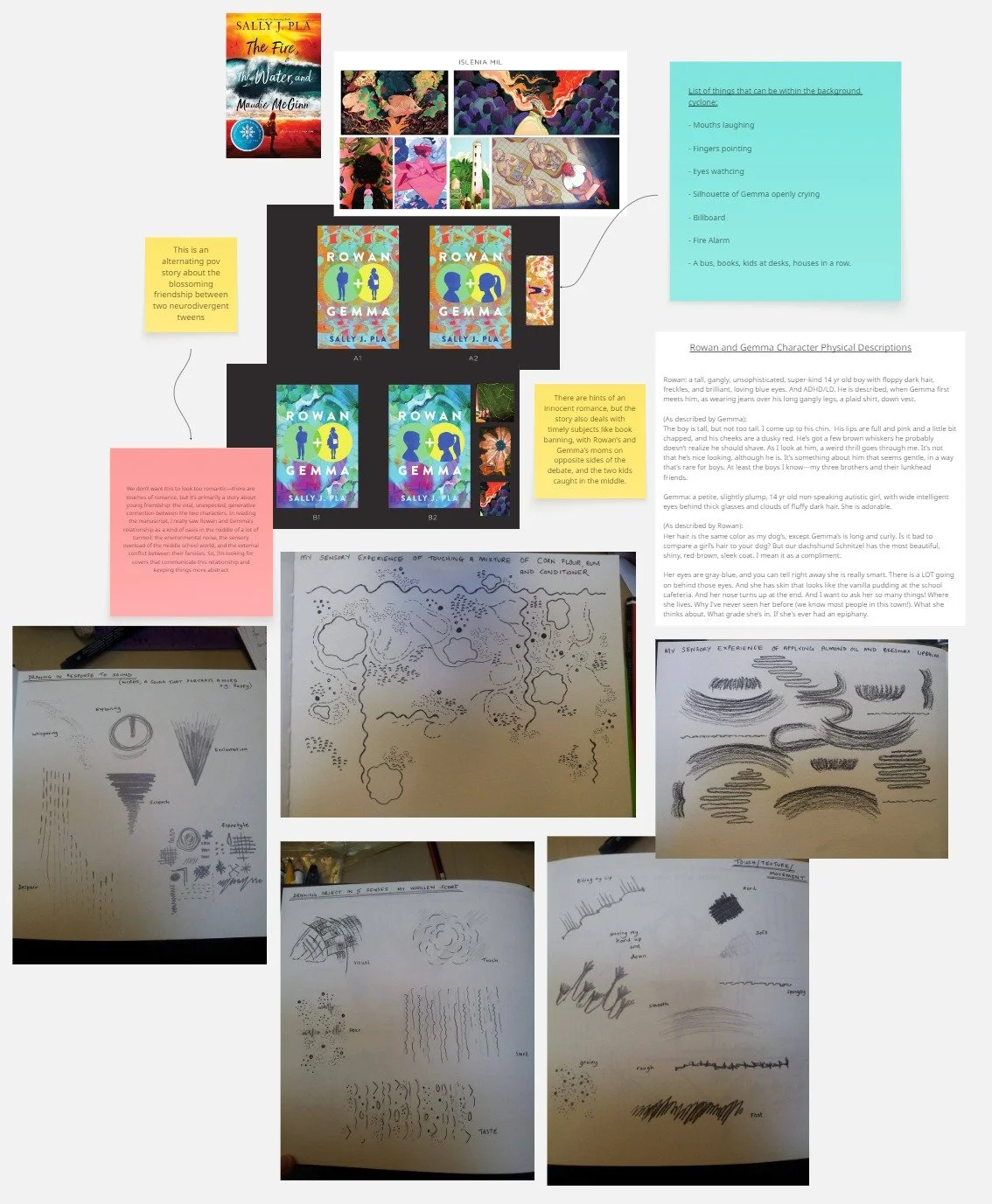
We start with the mood board stage. Here I organize the information I received over email from my art director regarding the visual tone, character descriptions, important visual storytelling props/locations/events, concept mock-ups, and selected pieces from my portfolio that the client was drawn to. This last part is always helpful! It tells me what kind of visual problem-solving I’ve done in the past that they’re hoping I can bring to this project. The biggest visual challenge to this assignment was depicting the sensory sensitivity of our two main characters, Rowan and Gemma, who are both neurodivergent. Their experiences as two adolescents on the specturm, is the driving forces of the story and their friendship, so it was important to draw hints to that on the cover. A discovery I made during this stage was the sketch pages you see photographed. Those were found while researching common ways that sensory have been translated visually. The photographs are from a blog post on Gemma Schiebe Fine Art’s WordPress titled “Sensory Drawing Exercise.” I thought these markings also resembled the kind of doodles you can find in the margins of a young student’s notebook, which Rowan and Gemma are. It was a perfect way to bring so many aspects of our main characters to the cover. I arranged everything I gathered on the board, and it guided me through the ideation phase.
2. Sketches
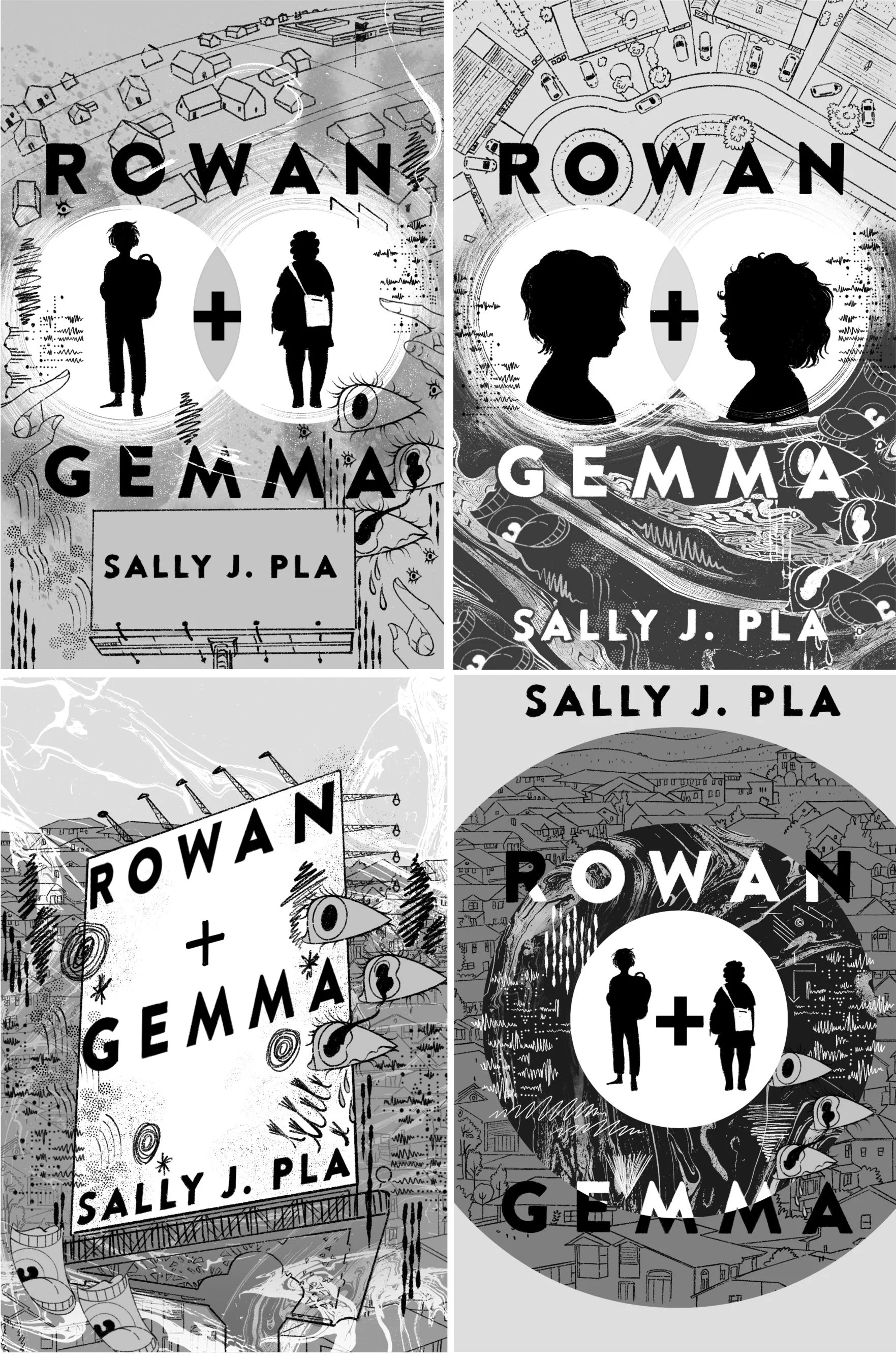
My sketches are a refined version of what I develop during my ideation. It’s important to me that the imagery is clear so there’s no confusion about what the client should expect in the final illustration. Especially because of how much detail goes into my work. I also included the title within my concept development because it’s important to me that the two feel like they intentionally exist in harmony on the cover. For two of the sketches, I stuck with the composition that the art director brought to me in the concept mock-up. The other two were me taking some creative liberty in ways we can still use the same elements, but might stand out more when seen on a bookshelf.— that’s always something that must be kept in mind when working on cover projects. Your cover will exist on a shelf with so many others; what can I, as the illustrator, do to make sure it stands out, whatever your right in front of it or across the room? How can I catch your attention?
3. Revisions
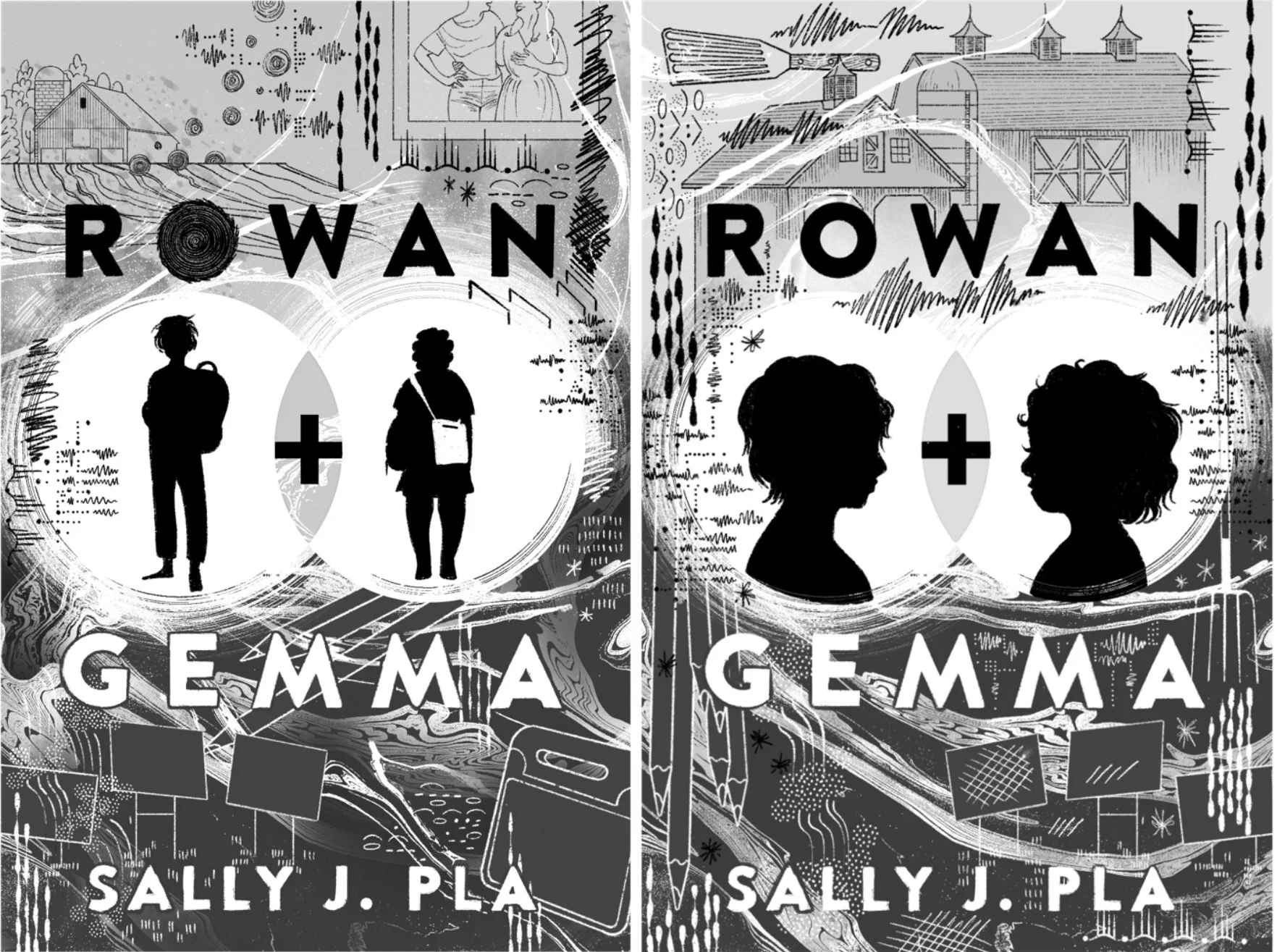
After the Art Director receives my initial sketches, they’ll narrow them down to whichever they’d like to move forward with, along with adjustments that the team agreed on. They really enjoyed how the environment scene on the top half contrasts with the surreal collage that hints at the psyche of our main characters— who are perfectly safe from the clutter of their minds and environment due to the serene presences they offer one another. After a few adjustments to which elements were worth keeping and their placement, we head to the next stage.
4. Final Revisions & Color Palette
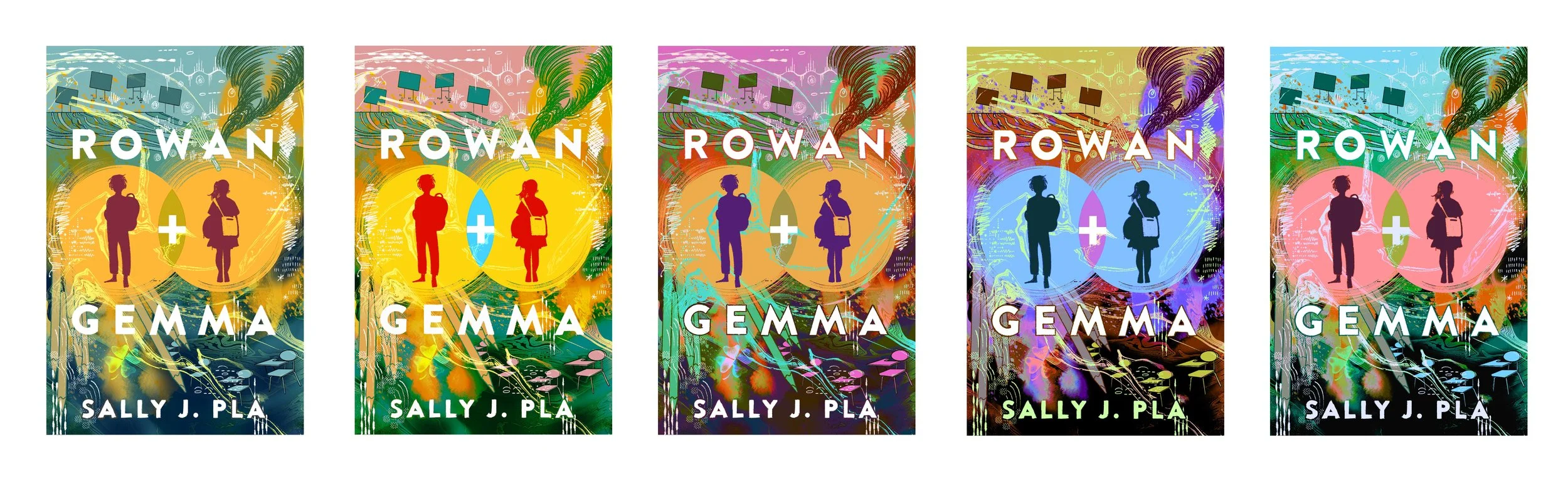
I apply the last of the minor changes and then begin some color studies. I approached this stage of the project differently than I normal do because the subject matter really allowed me to go bold with the color. I could explore combination that felt more psychedelic. This lead to a large selection of possible directions this could go in. But ultimatley, there was a winner.
5. TA-DA!
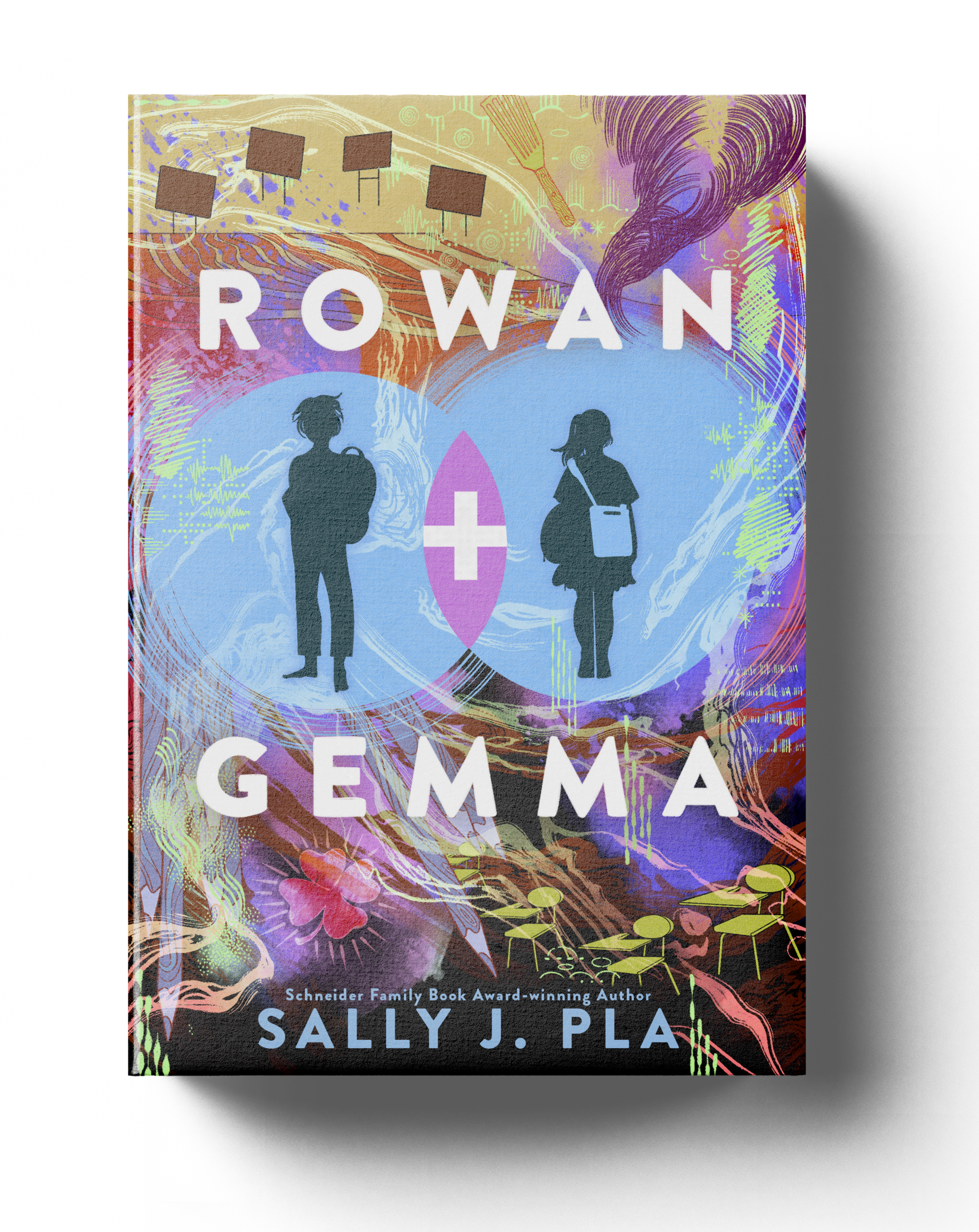
The final cover is the result of many small decisions, from the initial concept and composition to color, character, and atmosphere. Each stage brought the illustration closer to capturing the heart of the story while creating an image that could stand on its own. That balance— serving the story while creating something visually compelling is what makes book cover illustration such a rewqarding creative challenge. Thank You for taking the time to go through these steps with me!